When the Same Sasquatch Story Appears on Four Podcasts, Is That Corroboration?
How the Sasquatch Research Observatory separates repeated testimony, longitudinal consistency, later-added detail and independent corroboration.
Read publication →Research stories produced from the Observatory archive. Search the full publication collection by subject, witness, method or finding, or browse by editorial type.
How the Sasquatch Research Observatory separates repeated testimony, longitudinal consistency, later-added detail and independent corroboration.
Read publication →A longitudinal source comparison separates stable claims, later additions, contradictions and unresolved details without manufacturing a consistency percentage.
Read the research →A source-based review of the 2013 genomic claims, Samples 26/31/140, the people connected to them and later sequence reanalysis.
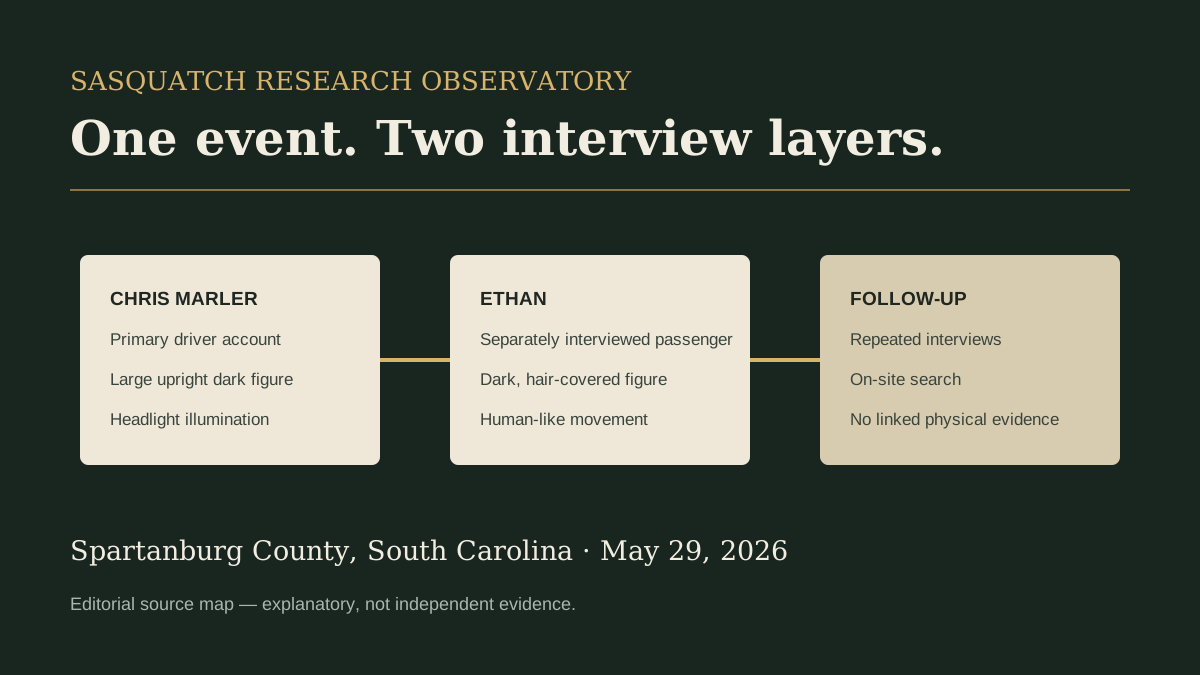
Read publication →Two separately interviewed vehicle occupants, repeated consistency checks and a documented site follow-up create a useful source record—while the absence of physical evidence remains explicit.
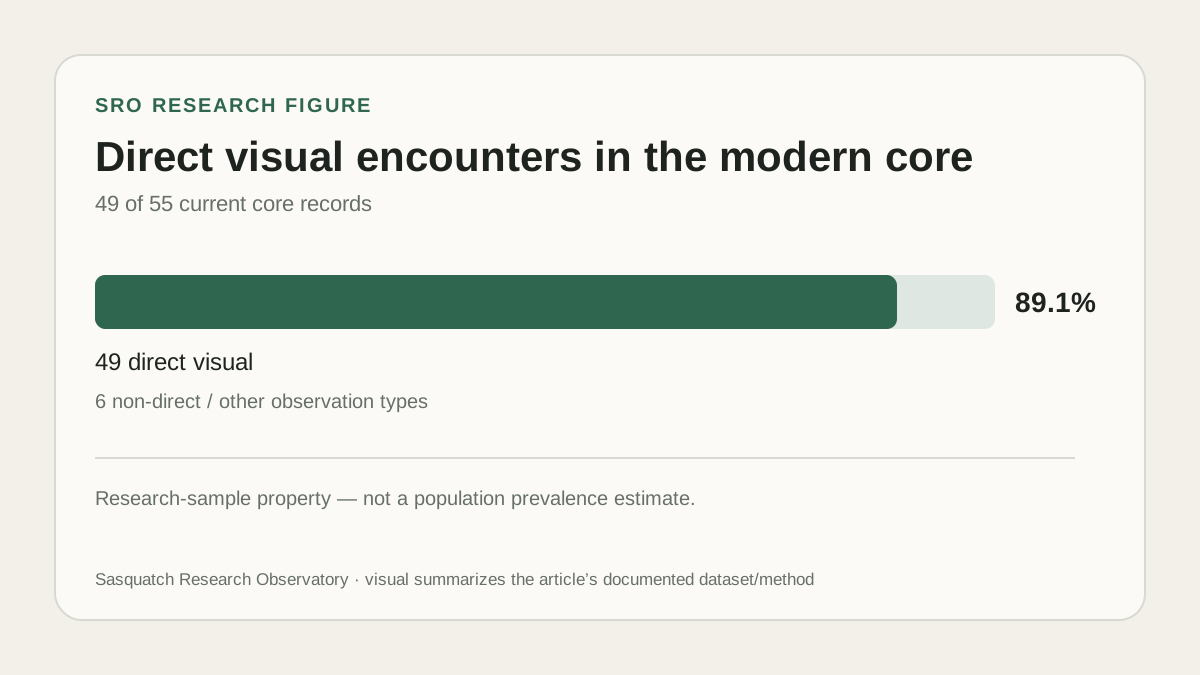
In the Observatory’s current 55-witness modern core, 49 records involve a direct visual observation. The signal remains high after two deliberate stress tests.
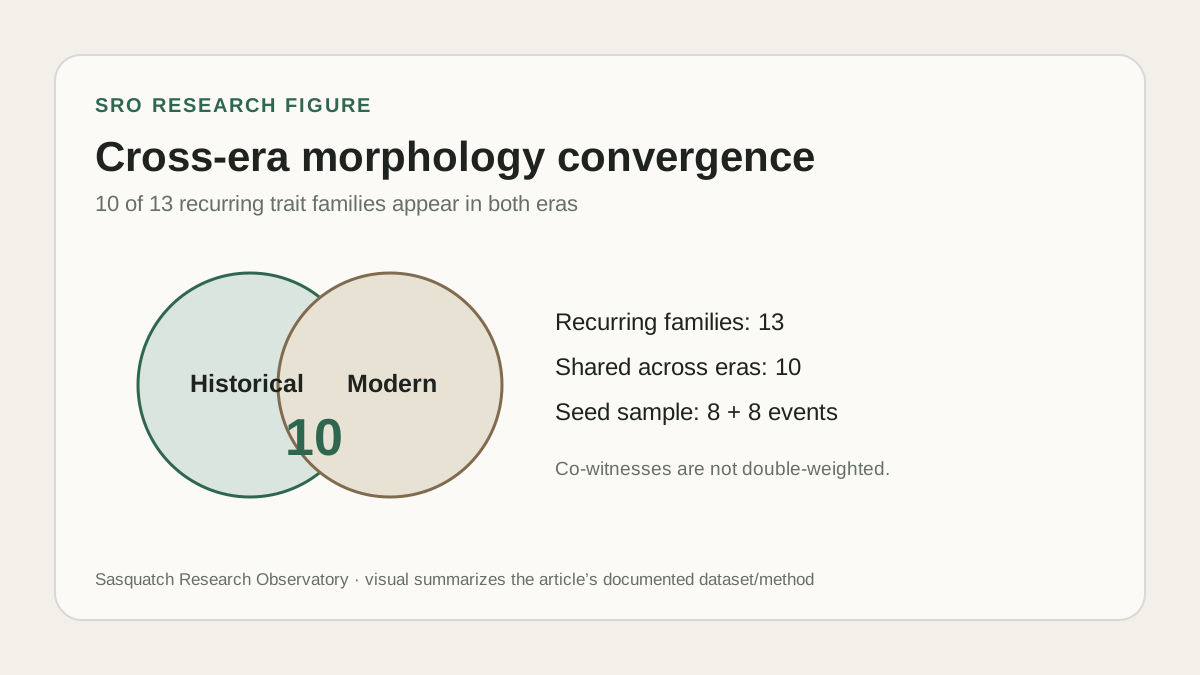
An event-level comparison found 10 of 13 recurring trait families appearing in both historical and modern morphology-rich samples.
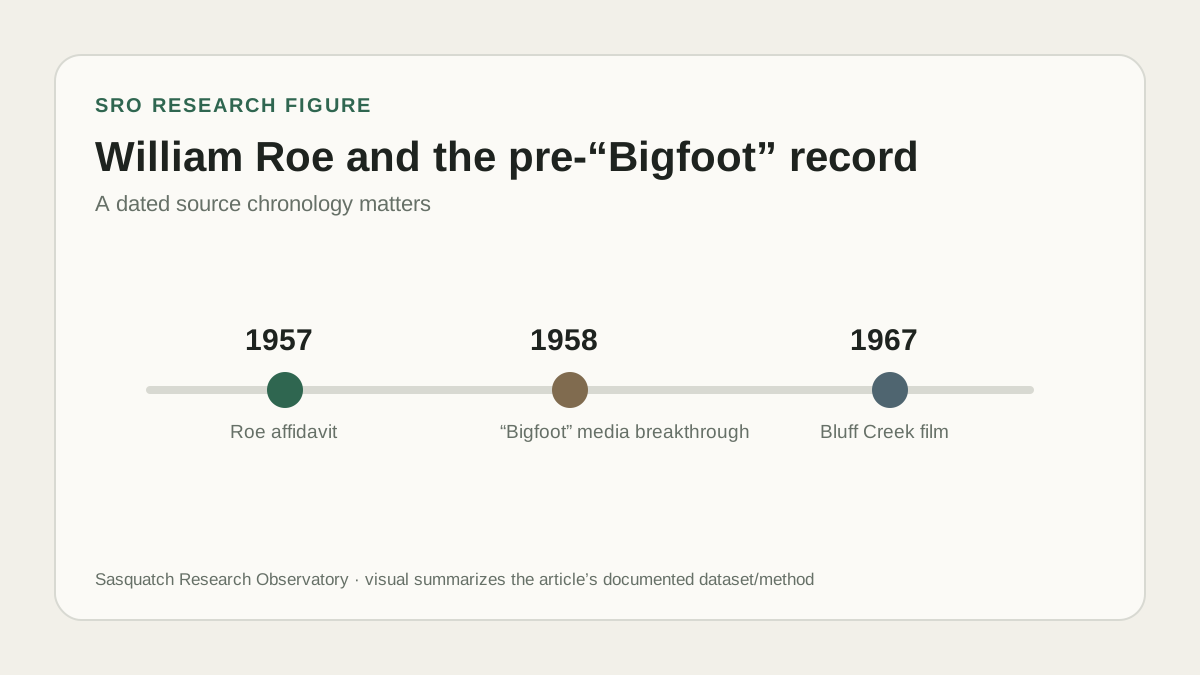
A 1957 sworn account contains several traits that later became staples of Sasquatch description, before the 1958 northern California “Bigfoot” newspaper breakthrough.
A ten-witness source-history audit separates stable event details from later-added evidence claims, interpretation and genuinely changed testimony.
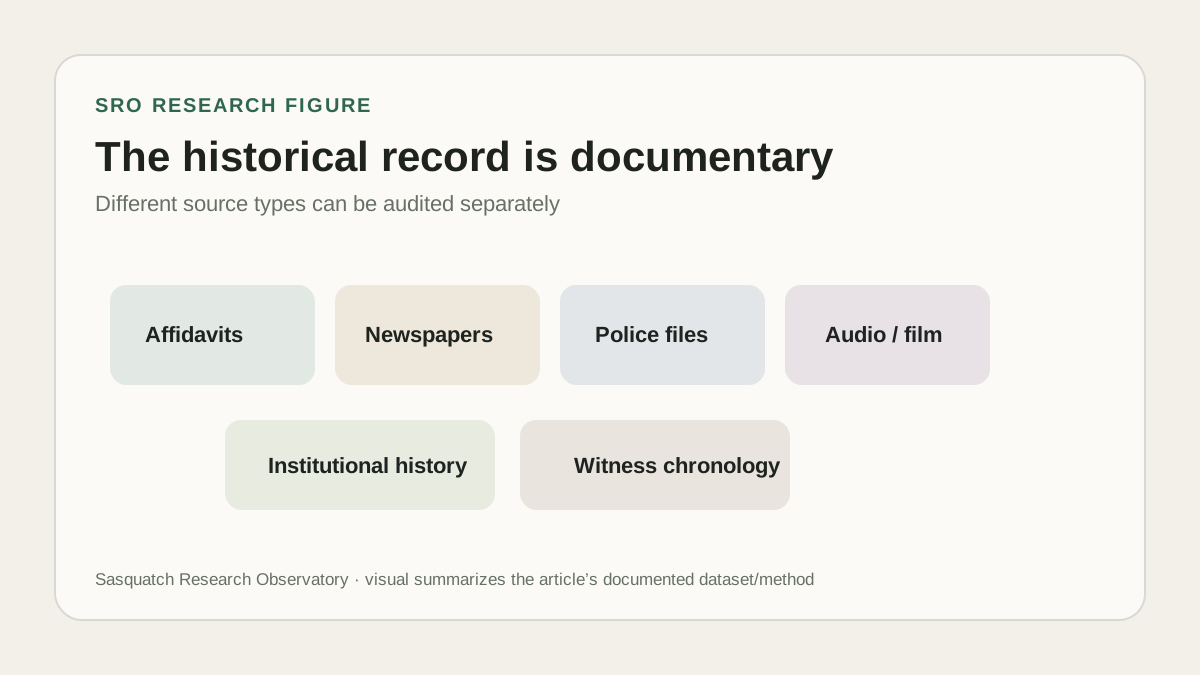
The historical archive includes surviving affidavits, newspapers, police files, institutional histories and audiovisual records that can be audited case by case.
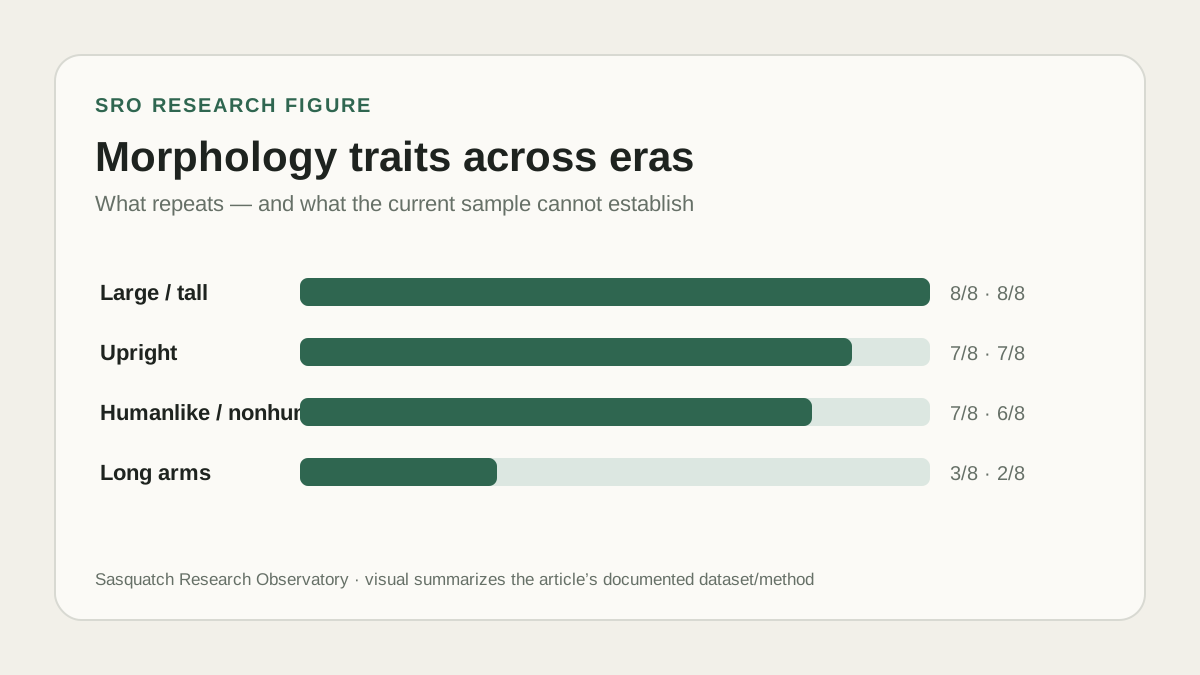
Across source-linked accounts separated by decades, several physical descriptions recur. The current sample shows a pattern while leaving prevalence unresolved.
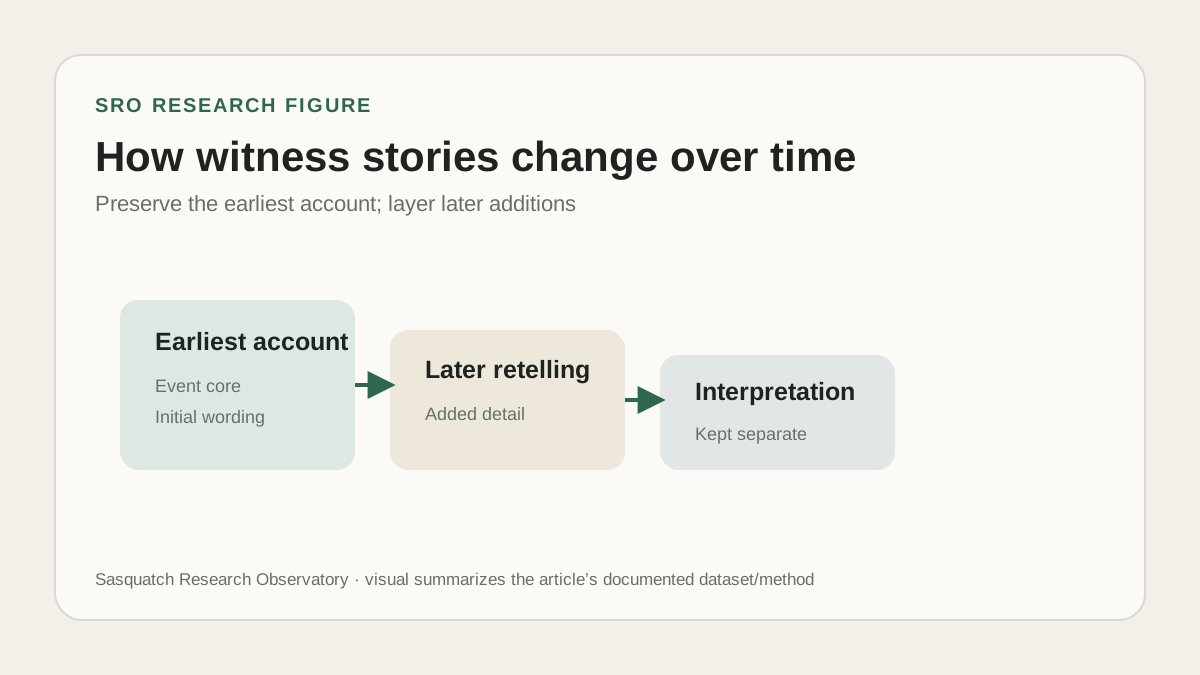
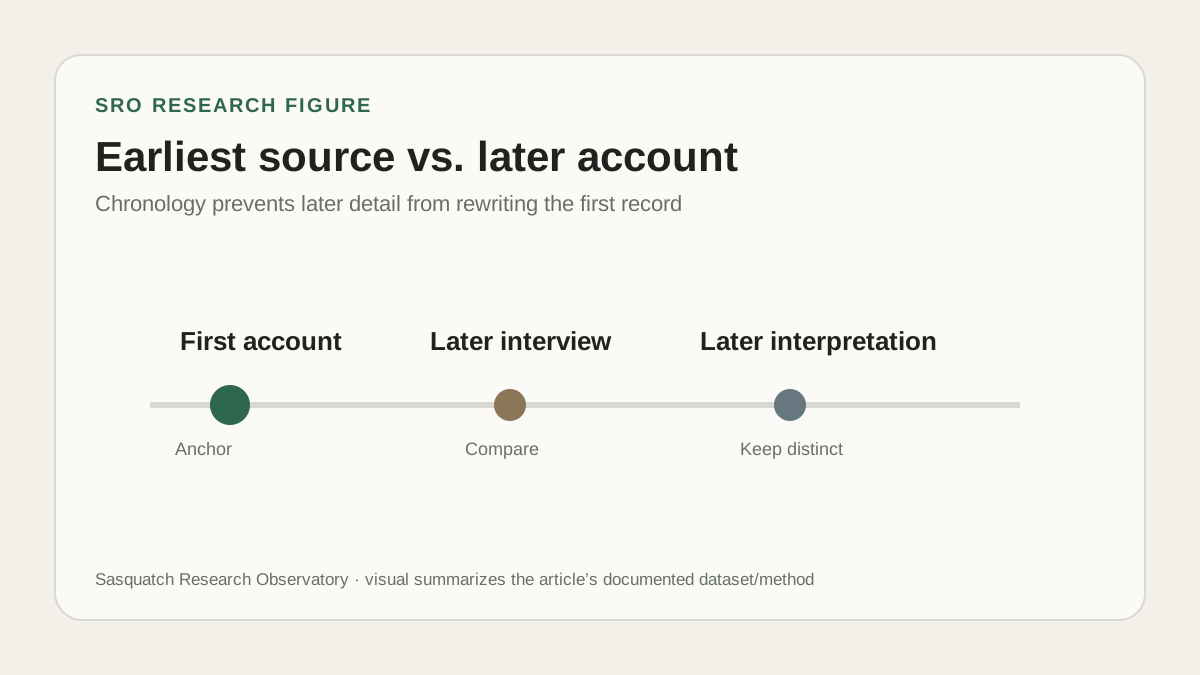
Witness accounts can grow over decades. SRO preserves the earliest recoverable version first, then tracks what later testimony adds, changes or leaves unresolved.
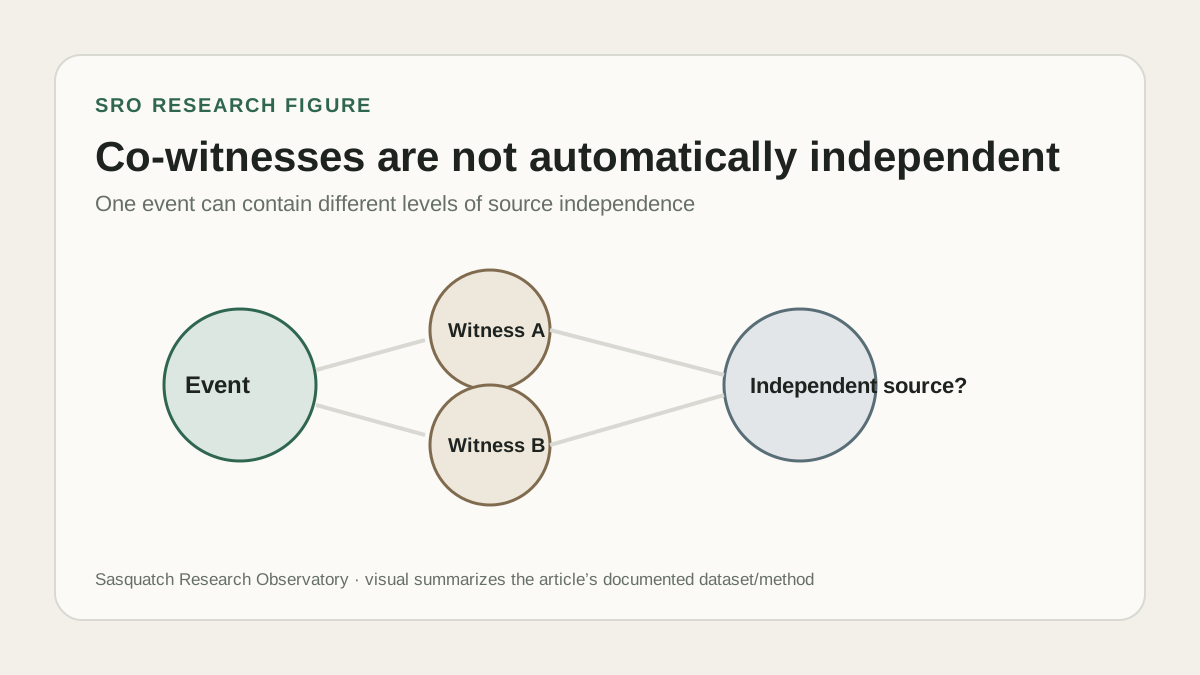
Multi-witness encounters can sound stronger than the surviving source record. The Observatory separates reported co-witnesses from independently recoverable testimony.
Publications are created when qualified material has editorial value, adequate evidence depth, an original contribution and significance proportional to what the underlying sources establish. Not every new record warrants an article.